
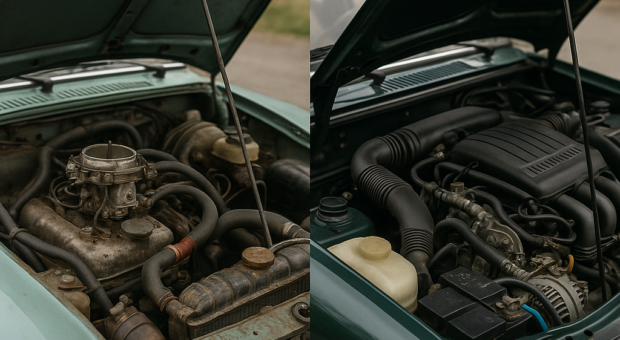
Carburetor vs Fuel Injection in Vintage Cars: Real-World Maintenance and Driving Differences
When diving into the world of classic car restoration or vintage car ownership, one of the most debated topics is the choice between carburetors and fuel injection systems. Both represent distinct eras and technologies in automotive history, each with its own charm and challenges. For enthusiasts and collectors, understanding how these classic engines perform on the road, their maintenance demands, and their impact on historic vehicle value is crucial.
Understanding Classic Engines: Carburetors and Early Fuel Injection
In most classic cars, the carburetor was the go-to fuel delivery system. It mechanically mixes air and fuel for combustion, a technology dating back to the early 20th century. On the other hand, some later vintage cars, especially from the 1970s onward, began adopting early fuel injection systems, which electronically control the fuel-air mixture.
Carburetor Basics and Vintage Car Maintenance
Carburetors are prized for their simplicity and mechanical character. They offer an unmistakable retro car experience, with the distinct sound and feel of the throttle response. However, carburetors require regular adjustment and cleaning:
- Jets and needles can clog with old fuel residue.
- Float levels need precise tuning.
- Choke mechanisms may stick or fail, especially in colder climates.
Parts for common carburetors like the Weber, Holley, or SU are often available, but rare models might need custom restoration work or original parts sourcing, which can be costly and time-consuming.
Early Fuel Injection in Classics: Benefits and Challenges
Early fuel injection systems, such as Bosch D-Jetronic or Lucas mechanical injection, introduced more precise fuel metering. This can enhance drivability and improve old car reliability by reducing issues like flooding or fuel starvation.
However, these systems:
- Require specialized diagnostic tools for tuning.
- Have more complex components prone to electrical faults.
- Often suffer from scarce original parts, making retro car maintenance a specialized task.
Driving Experience: Feel and Performance Differences
Carbureted Classics: Raw and Engaging
Driving a carbureted vintage car offers a visceral connection to automotive history. Throttle response can feel slightly lagged or uneven, especially during cold starts or rapid acceleration, but this quirk is part of the charm.
Classic car enthusiasts often appreciate:
- The tactile feel of adjusting choke and throttle linkages.
- The characteristic engine note and occasional backfires.
- The sense of mechanical engagement and simplicity.
Fuel-Injected Vintage Cars: Smoother and More Reliable
Fuel injection tends to deliver smoother acceleration and better cold starts. Vintage cars with early injection can feel more predictable in traffic, making them somewhat easier to drive daily.
Owners report benefits like:
- Improved fuel economy compared to carbureted counterparts.
- Reduced risk of stalling or flooding.
- Enhanced throttle responsiveness in many cases.
Who is This Classic Car Setup For?
Carbureted Cars Suit:
- Collectors who value originality and traditional classic car restoration.
- Enthusiasts who enjoy hands-on mechanical work and tuning.
- Drivers looking for authentic vintage driving experiences.
Fuel-Injected Classics Suit:
- Owners seeking a blend of vintage style with improved drivability.
- Those willing to invest in specialized maintenance and diagnostics.
- Drivers planning to use their classic as a more regular vintage vehicle.
What to Inspect When Buying a Vintage Car with Carburetors or Fuel Injection
For Carbureted Classic Cars:
- Check for signs of fuel leaks around jets and gaskets.
- Inspect the condition of linkages and choke components.
- Verify the carburetor’s synchronization if multiple units are fitted.
- Look for evidence of recent rebuilds or maintenance history.
For Early Fuel-Injected Vintage Cars:
- Test electrical connectors and wiring harnesses for corrosion.
- Confirm proper operation of fuel pumps and injectors.
- Ensure the ECU or control units (if applicable) are functioning.
- Request service records indicating fuel system calibration.
Ownership Realities: Maintenance and Value Impact
Owning a classic car with a carburetor means embracing routine maintenance. Vintage car owners often develop a close relationship with their vehicle’s fuel system, learning to tune and adjust it personally. This can be rewarding but demands time and mechanical aptitude.
Fuel-injected vintage cars may offer better old car reliability on the road but often come with higher servicing costs due to specialized parts and expertise.
From a collectible cars standpoint:
- Completely original carbureted setups often hold higher historic vehicle value.
- Some buyers prefer fuel injection for improved usability, which can broaden market appeal.
Final Thoughts on Carburetor vs Fuel Injection in Vintage Cars
Whether you lean toward the hands-on charm of a carbureted classic engine or the smoother operation of early fuel injection, both represent fascinating chapters in automotive history. Understanding their maintenance demands, driving feel, and impact on vintage car ownership will help you make informed choices about your next classic car project or collectible addition. Remember, the joy of classic car restoration lies not just in the destination but in the journey of preserving and experiencing automotive heritage firsthand.
Looking for more in-depth information? You can also read one of our full guides here: The Ultimate Guide to Storing Classic Cars Properly During Winter.
Read the previous review: Classic Car Showdown: Jaguar E-Type vs. Porsche 911 – A Vintage Sports Car Comparison